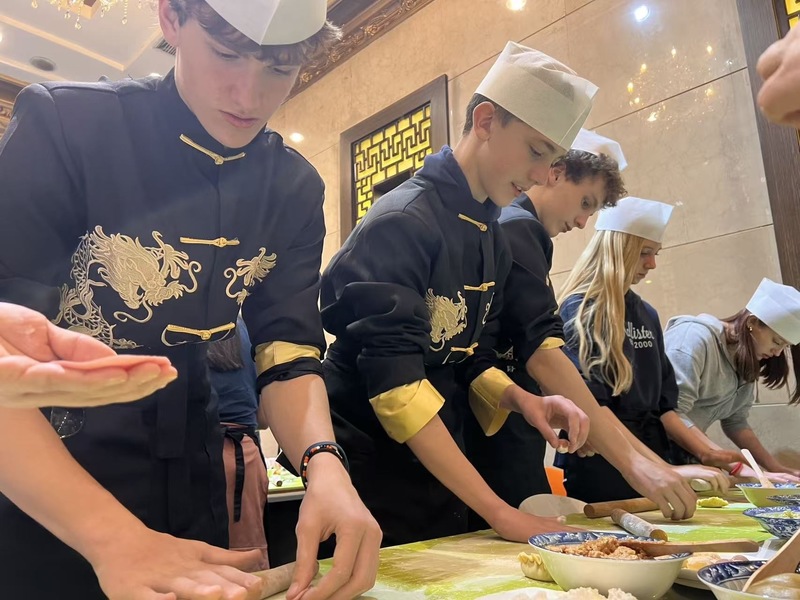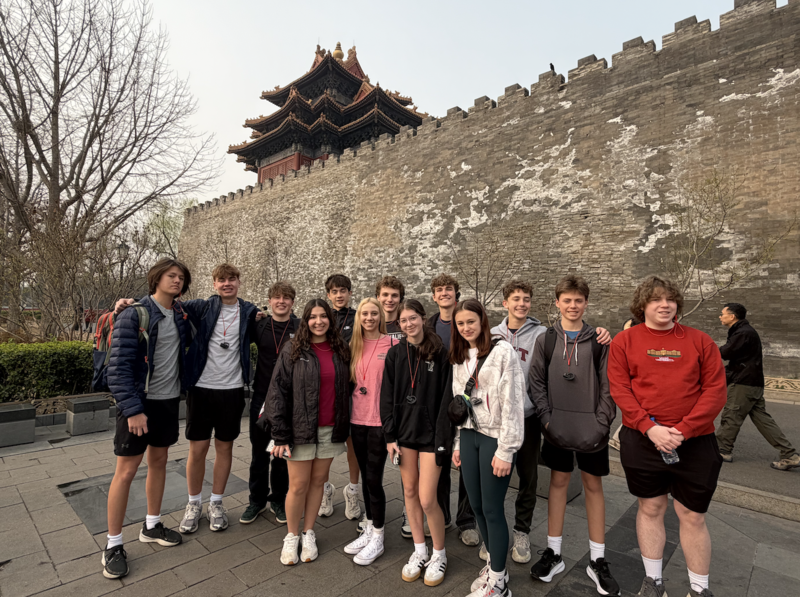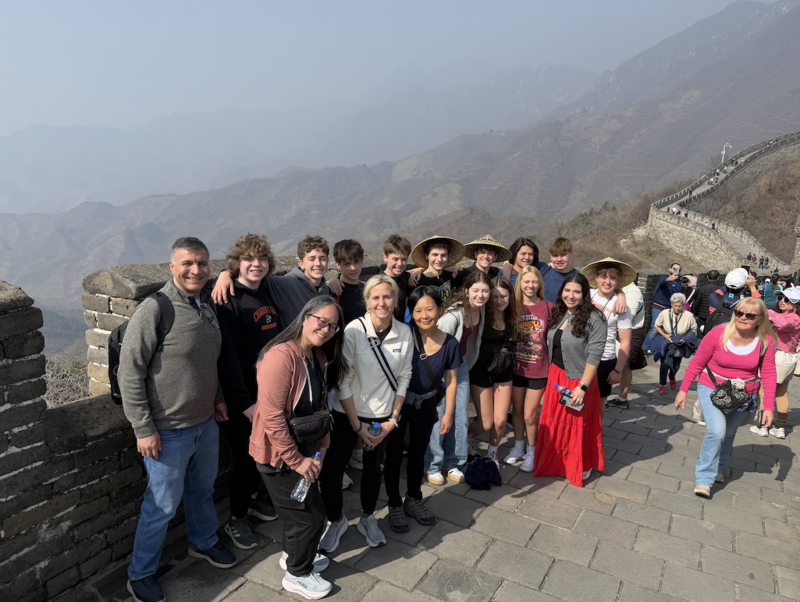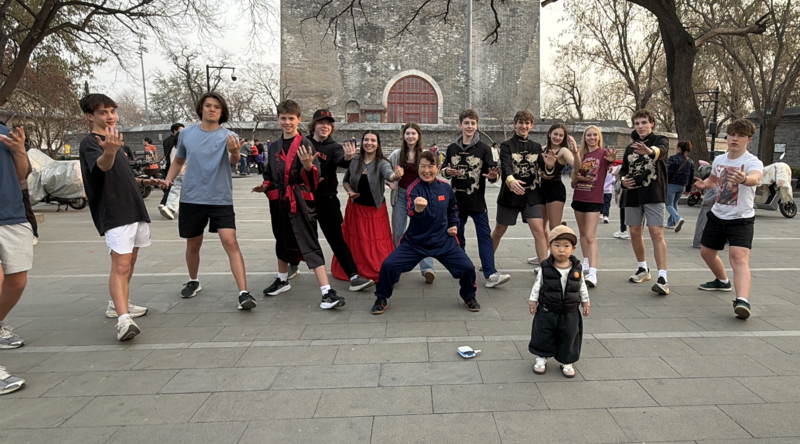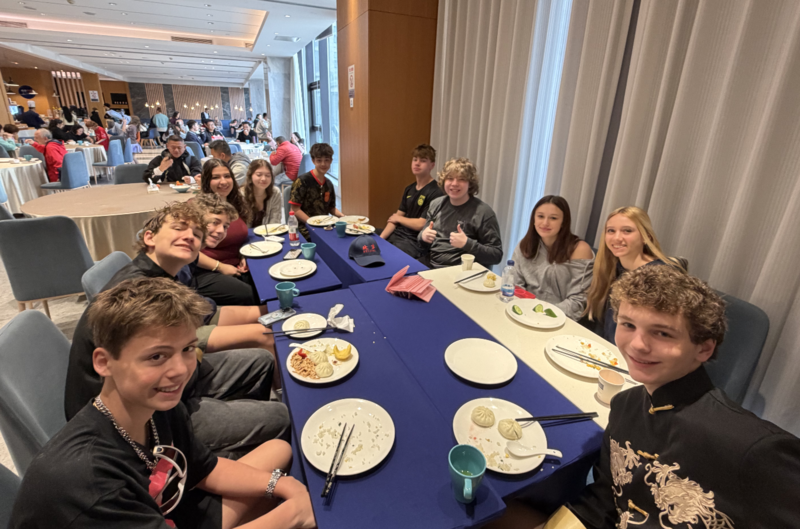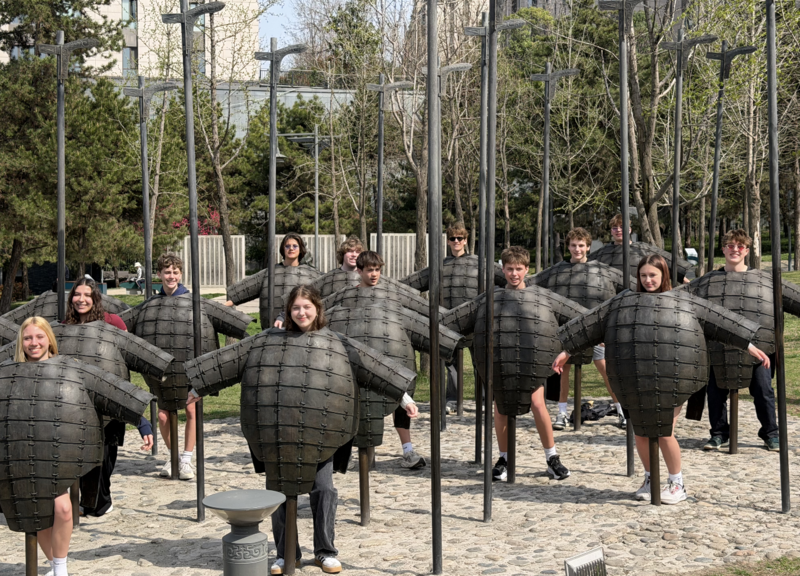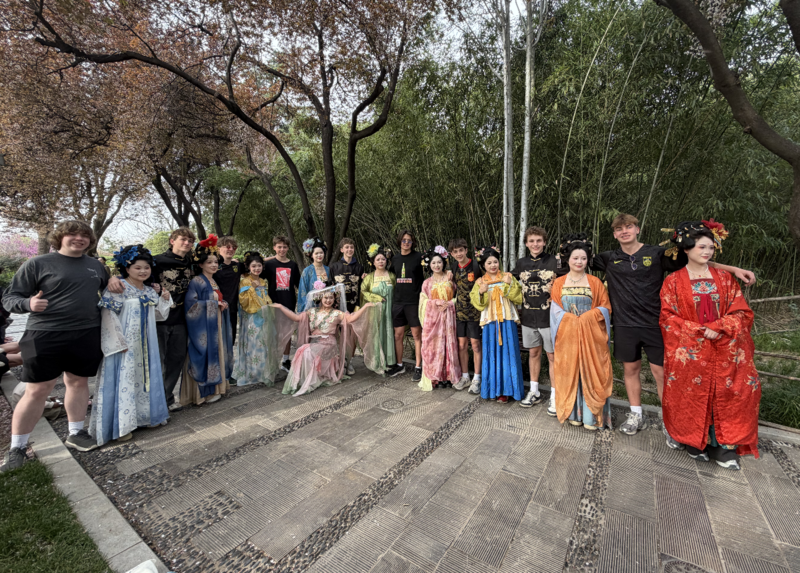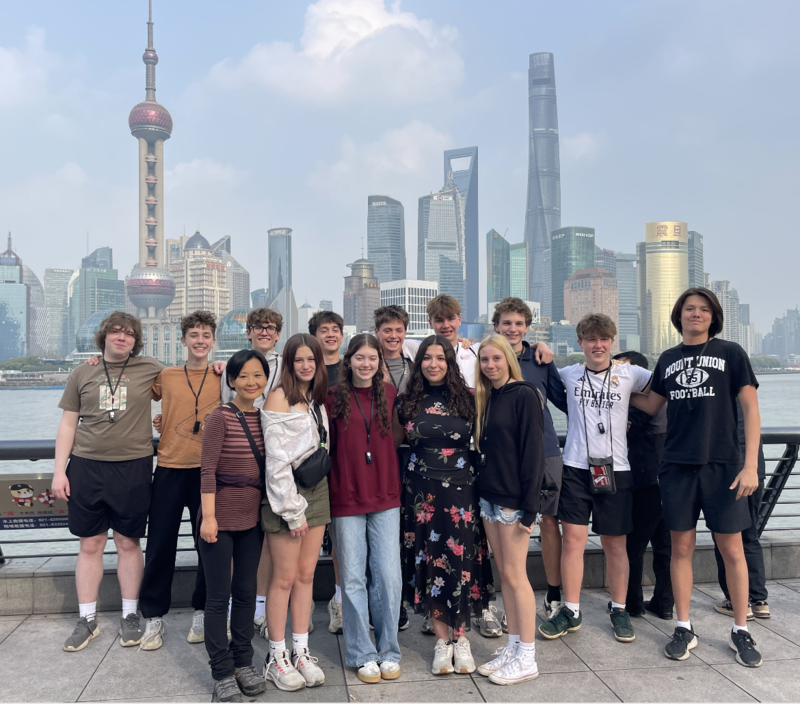
Thirteen Chagrin Falls High School students traveled to China over spring break as part of the District’s Bridge to the World program, with a clear purpose: to put their Mandarin skills to use while deepening their understanding of Chinese history and culture.
Bridge to the World is designed to move language learning beyond vocabulary lists and classroom practice. It challenges students to apply what they have studied in authentic settings, listening, speaking, and responding in real time.
In China, students did just that.
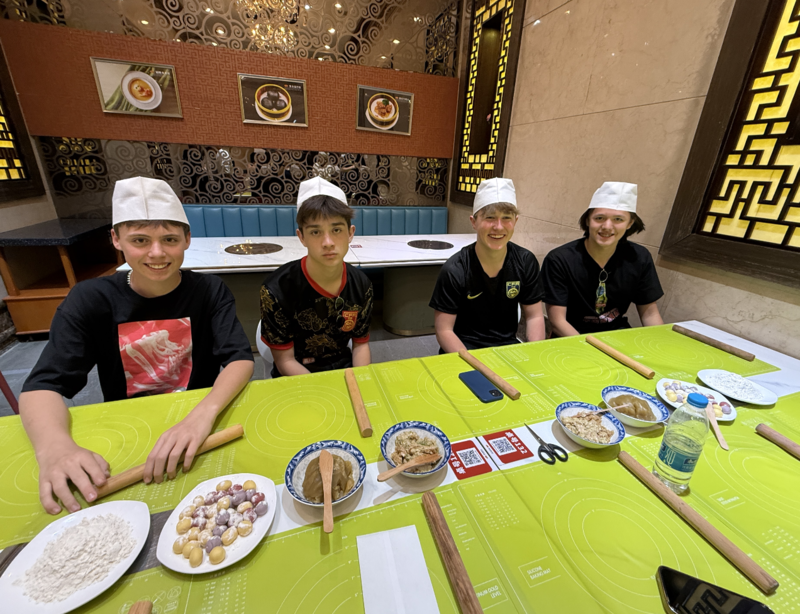
They ordered meals in Mandarin, listened to local guides, spoke with community members, and navigated daily life using the language they have studied for years. What they experienced was not tourism. It was academic immersion.
“Bridge to the World gives students the opportunity to rely on the language,” said Teacher Yan Guo, who led the trip. “When they are asking questions, interpreting responses, and engaging with native speakers, they are building fluency and confidence in ways that cannot be replicated in a classroom.”
Research consistently shows that immersion strengthens listening comprehension, improves pronunciation, and increases retention because vocabulary is tied to meaningful experiences. When students connect language to place, history, and human interaction, the learning lasts.
For one student, that realization came while experiencing China firsthand. “This experience changed my view of the world positively, as now I understand all cultures in a better light through experiencing a culture so different from my own,” said sophomore Henry Mitchell.
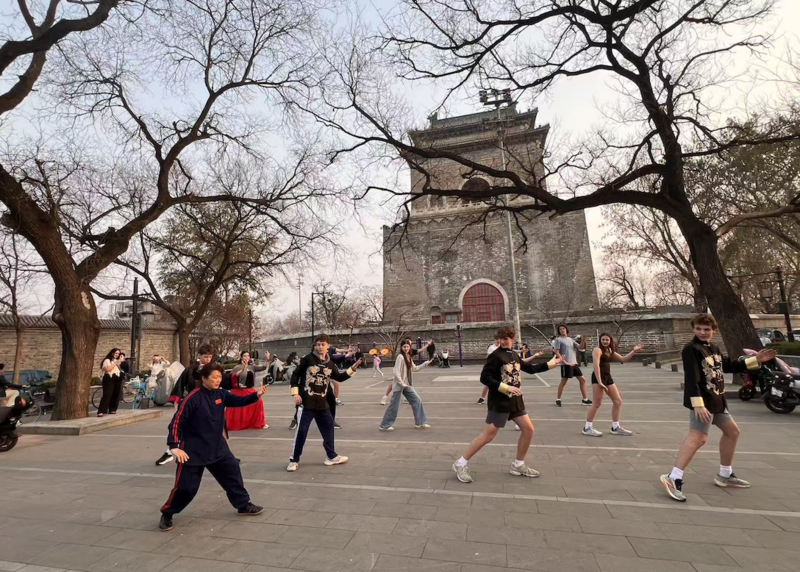
Throughout the trip, students learned Tai Chi, explored historic sites such as the Terracotta Army, visited a panda research center, and shared meals with local families. Yet it was the everyday conversations, asking for directions, responding to questions, and thinking in Mandarin, that made the greatest academic impact.
“We got to practice our Chinese in real-world environments, which helped increase my understanding of the places we learned about in class,” said sophomore Jack Shein.
By the end of the trip, their skills had shifted. They were listening more confidently. They were responding more naturally. They had experienced the connection between language and identity.
“I gained unique insight into Chinese customs, foods, traditions, and language, and especially enjoyed speaking with locals to form connections across continents,” said senior Jennah Hamdan.
Bridge to the World trips rotate every two years among Mandarin, French, and Spanish, ensuring that students have the opportunity to participate at least once during their high school experience. This spring, while Mandarin students were immersed in China, another group strengthened their Spanish skills abroad.
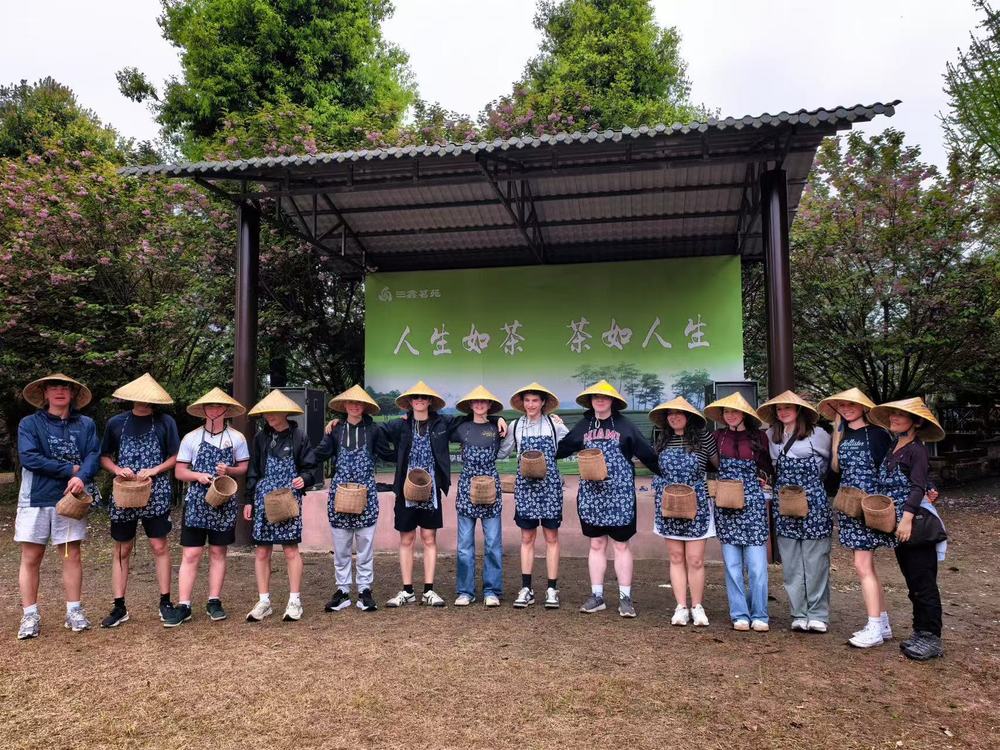
“Our trip to China was life changing,” said freshman Caroline Slain. “From exploring the Great Wall and Summer Palace in Beijing, biking the ancient walls of Xi’an, seeing the pandas in Chengdu, and visiting a tea farm, we learned an abundance of history that made our school lessons feel real.”
Together, these experiences reflect the larger mission of Bridge to the World: helping students move from studying language to living it and preparing them to engage thoughtfully in a connected, global society.